

Pune has steadily emerged as one of India’s most resilient real estate markets. In 2025 and early 2026, demand for well-planned residential communities has remained strong, especially in growth corridors driven by IT expansion, metro connectivity, and social infrastructure upgrades. Within this landscape, the integrated township in Pune model has gained significant attention among homebuyers and long-term investors.
This article explains what integrated townships are, why they matter for lifestyle stability, and how they function as a structured long-term real estate investment in Pune.
What Is an Integrated Township?
An integrated township is a large-scale, master-planned development that combines residential housing with schools, retail spaces, healthcare facilities, offices, green areas, and recreational amenities within one self-contained ecosystem.
Unlike standalone apartment projects, an integrated township investment focuses on long-term livability and infrastructure alignment. Residents do not rely entirely on external civic development because many daily needs are planned within the township itself.
In simple terms:
An integrated township is a self-sustained residential community that blends housing, infrastructure, commercial activity, and lifestyle amenities within one planned development.
This model has become increasingly relevant in Pune, where infrastructure expansion is reshaping residential demand patterns.
Why Pune Supports Township-Led Growth in 2026
Pune’s real estate growth is closely tied to employment hubs and infrastructure upgrades. As of 2026, key growth drivers include:
-
- Expansion of IT and business corridors in areas near Kalyani Nagar, Kharadi, Koregaon Park, Yerwada and Wagholi
-
- Ongoing metro connectivity development improving cross-city access
-
- Rising demand for larger homes and community-based living
-
- Increased focus on sustainable and planned development
Recent market outlooks indicate steady housing absorption in organized developments rather than fragmented standalone projects. Buyers today prioritize stability, social infrastructure, and long-term appreciation.
This shift directly benefits township property investment.
Why Integrated Townships Reduce Investment Risk
One of the primary reasons investors prefer residential township investment is risk distribution.
1. Infrastructure Built In
Townships incorporate roads, green spaces, security systems, water management, and retail areas within the project boundary. This reduces dependency on uncertain external civic timelines.
2. Multi-Phase Development Strategy
Large townships often develop in phases. Early phases benefit from price appreciation as later phases are launched at higher price points, creating natural capital growth.
3. Community Stickiness
Integrated communities foster long-term residency. Schools, daily retail, and parks encourage families to remain within the ecosystem, supporting stable resale and rental demand.
How Integrated Townships Create Long-Term Value
Social Infrastructure as an Investment Multiplier
Schools, clinics, shopping areas, and recreational facilities within walking distance increase both rental attractiveness and resale value.
Brand-Led Planning
Master-planned developments often maintain architectural consistency and landscaping standards, supporting sustained property value over time.
Sustainable Development Practices
Many modern Pune township projects include rainwater harvesting, waste management systems, and green design elements. Sustainable infrastructure aligns with future regulatory frameworks and lifestyle expectations.
Investment Snapshot: Township vs Standalone Apartment
| Factor | Standalone Apartment | Integrated Township |
| Infrastructure Access | External dependency | Built-in ecosystem |
| Rental Demand | Moderate | Higher due to amenities |
| Capital Appreciation | Area dependent | Stronger in growth corridors |
| Community Facilities | Limited | Schools, retail, parks, offices |
| Long-Term Stability | Variable | More predictable |
From an investment lens, integrated townships typically provide stronger resilience during market cycles because they combine lifestyle appeal with infrastructure depth.
Pride World City: An Integrated Township in Pune

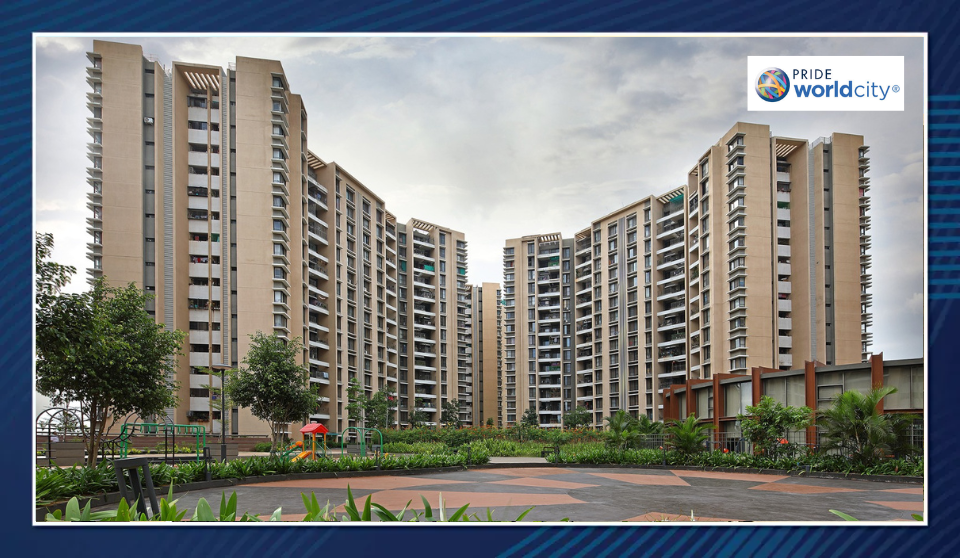
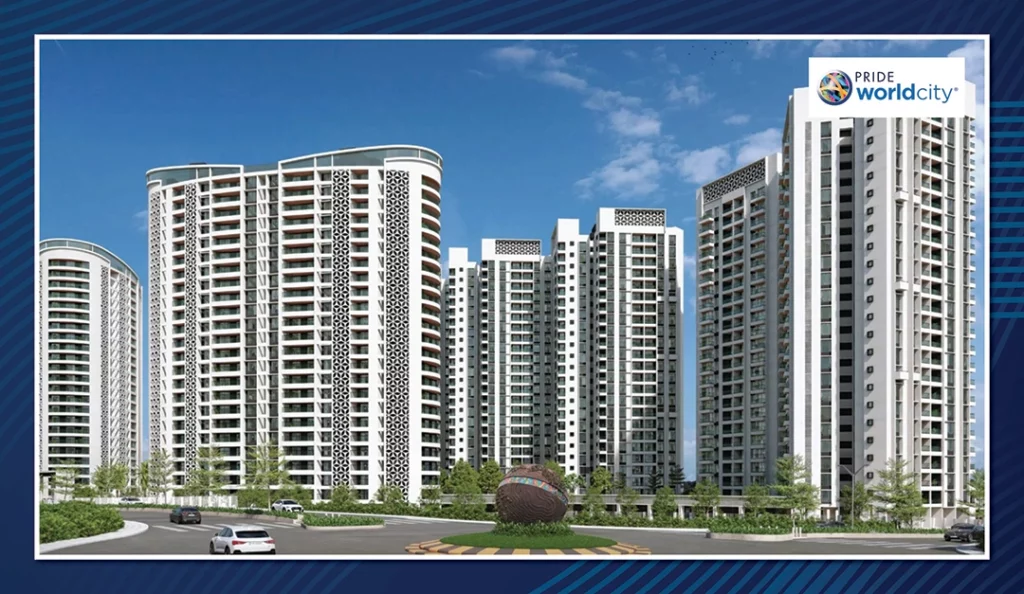
Pride World City is a 400-acre integrated township in Charholi, Pune, built around the idea of large-scale, structured urban planning. The development reflects a forward-looking model of community living where residential, retail, and social infrastructure coexist within a single master-planned ecosystem.
Positioned away from high-density congestion yet connected to major employment and lifestyle hubs, the township offers a balance between accessibility and calm residential environments. Its planning approach focuses on internal infrastructure, landscaped zones, and phased development strategy, which strengthens long-term livability.
Recognized among the larger township developments in Pune, the project brings together:
-
- 2 BHK and 3 BHK apartments
-
- 4.5 BHK residences
-
- Premium duplex homes
-
- Integrated retail and commercial spaces
-
- Open green areas and lifestyle amenities
Its strategic connectivity links residents to Pune International Airport and established hubs such as Koregaon Park, Kharadi, Wagholi, EON IT Park, Yerwada, and Hinjewadi. It also connects efficiently to industrial corridors including Bhosari MIDC, Moshi, Alandi, and Chakan. This alignment between residential planning and employment corridors strengthens long-term demand fundamentals.
Large-scale integrated township developments in such corridors benefit from:
-
- Structured infrastructure planning
-
- Reduced dependency on uncertain external upgrades
-
- Stronger rental interest due to employment proximity
-
- Gradual value alignment as surrounding micro-markets mature
Pride World City represents how an integrated township in Pune can combine scale, connectivity, and internal ecosystem planning to support both quality living and sustained growth within the city’s expanding eastern corridor.
Rental Yield Potential in Integrated Townships
For investors seeking steady income, integrated townships often outperform fragmented developments.
Why?
-
- Tenants prefer secure, amenity-rich communities
-
- Families value school and retail proximity
-
- Professionals working in nearby IT corridors prioritize convenience
In Pune’s expanding job market, rental demand remains closely linked to accessibility and quality of life. Township projects naturally align with these requirements.
Capital Appreciation Drivers in Township Investments
Capital appreciation in an integrated township investment generally depends on:
-
- Infrastructure upgrades in surrounding areas
-
- Completion of internal phases
-
- Growth of commercial activity within the township
-
- Connectivity enhancements
When metro connectivity and road expansions intersect with township locations, land values often respond positively over a multi-year horizon.
While short-term speculative gains vary by micro-market, township-based investments are often structured for long holding periods rather than rapid flipping.
Why Lifestyle Investment Matters in 2026
Post-pandemic lifestyle shifts have reshaped housing preferences. Buyers now prioritize:
-
- Open green spaces
-
- Walkable infrastructure
-
- Community living
-
- Safety and gated access
An integrated township in Pune addresses these expectations more effectively than isolated apartment blocks.
For end users, this means improved quality of life.
For investors, it means consistent occupancy demand.
Conclusion: Integrated Township Investment Outlook for Pune
As Pune continues expanding through infrastructure upgrades and employment growth in 2026, integrated township projects remain well-positioned within the residential investment landscape.
They offer:
-
- Lifestyle stability
-
- Infrastructure reliability
-
- Rental visibility
-
- Long-term capital potential
For buyers seeking both quality living and structured growth, the integrated township investment model aligns closely with evolving market expectations.
In a city shaped by planning-led expansion rather than scattered development, township ecosystems are likely to remain central to Pune’s long-term residential growth story.
Frequently Asked Questions
Are integrated townships a good real estate investment in Pune?
Yes, they are often considered stable long-term investments because they combine lifestyle infrastructure with structured planning, reducing dependency on external civic development.
Do township properties appreciate faster than standalone projects?
Appreciation depends on location, but integrated townships in growth corridors often show stronger long-term performance due to built-in infrastructure and community demand.
Are integrated townships suitable for rental income?
Yes. Tenants prefer secure communities with amenities, schools, and retail access, which supports steady rental demand.
What makes township projects safer for long-term holding?
Phased development, internal infrastructure, and brand-led planning create stability across market cycles.
Which areas in Pune are seeing township-led growth?
Corridors influenced by IT expansion, metro connectivity, and planned infrastructure upgrades are witnessing strong township development activity.